Available Sheep

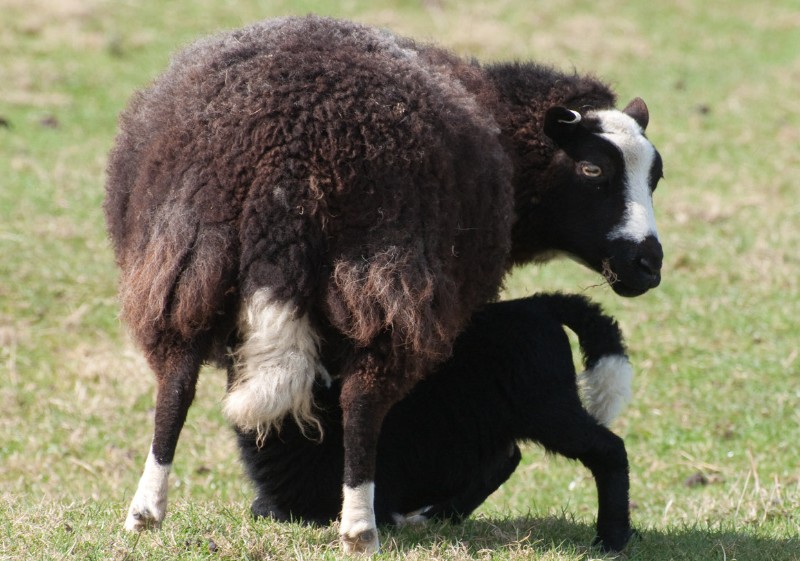
Welsh Mountain ewe breed

A female sheep, especially when fully mature. A hybrid of a ewe and a buck (a male goat) is called a sheep-goat hybrid (only a single such animal has been confirmed), and is not to be confused with the sheep-goat chimera, though both are known as geep. Visual differences between sheep and goats include the beard of goats and divided upper lip of sheep.
Characteristics
1.They are mainly raised for wool and meat production especially when crossed with the progeny of a Welsh Mountain ewe.
2.Behavior. Sheep are most comfortable with their flock, and they tend to run if approached or spooked
3.Reproduction
4.Terminology.


Request A Quote
The Mutton

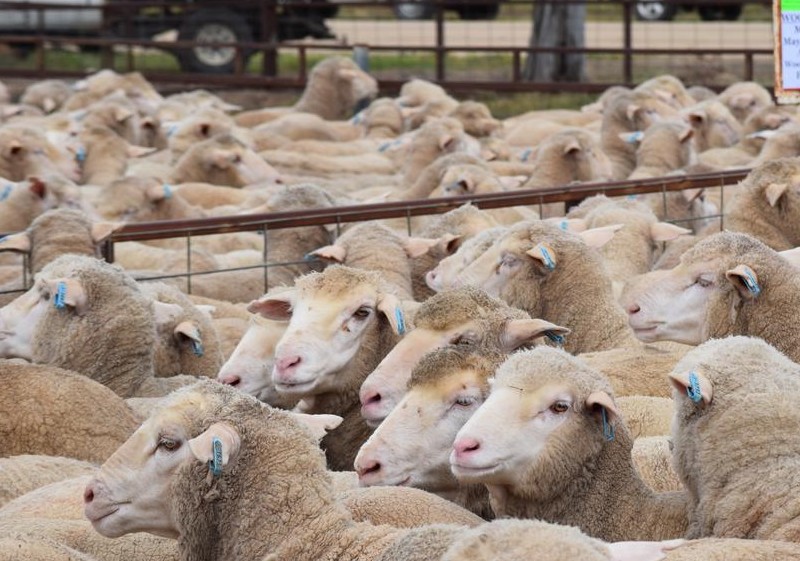
Lamb, hogget, and mutton are the meat of domestic sheep at different ages. A sheep in its first year is called a lamb, and its meat is also called lamb. One of the earliest animals to be domesticated for agricultural purposes, sheep are raised for fleece, meat (lamb, hogget or mutton) and milk. A sheep's wool is the most widely used animal fiber, and is usually harvested by shearing. Ovine meat is called lamb when from younger animals and mutton when from older ones.
The sheep is usually stockier than its relative the goat; its horns, when present, are more divergent; it has scent glands in its face and hind feet; and the males lack the beards of goats. Sheep usually have short tails.
In all wild species of sheep, the outer coat takes the form of hair, and beneath this lies a short undercoat of fine wool that has been developed into the fleece of domesticated sheep. Male sheep are called rams, the females ewes, and immature animals lambs.
Mature sheep weigh from about 80 to as much as 400 pounds (35 to 180 kg).


Request A Quote

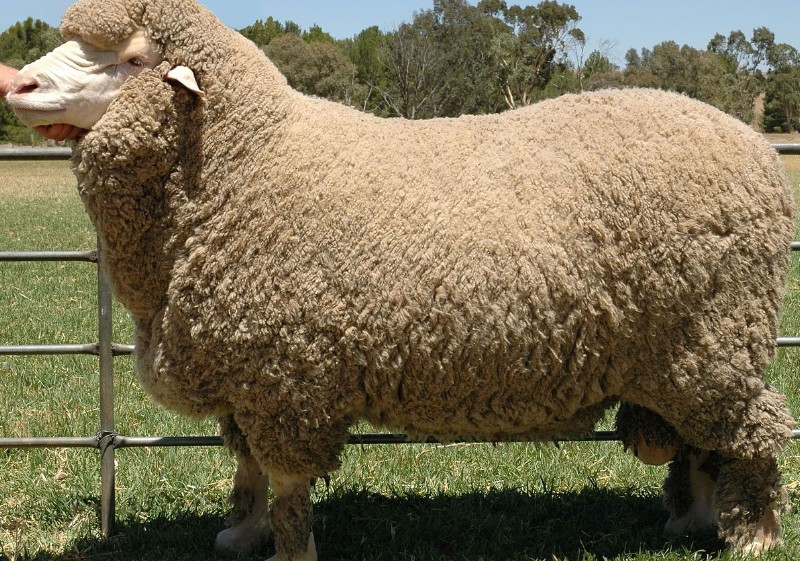
The Merino Breed

Merino, breed of fine-wool sheep originating in Spain; it was known as early as the 12th century and may have been a Moorish importation. It was particularly well adapted to semiarid climates and to nomadic pasturing. The breed has become prominent in many countries worldwide. Merinos vary considerably in size, conformation, and extent of skin folds, but the prevailing trend in breeding is to develop sheep of medium size, with fair mutton conformation and a minimum of skin folds. The colour of their faces and legs is white. Although they have a considerable growth of wool on their faces, it is seldom extensive enough to cause wool blindness. The fine wool fibres of Merino fleeces are beautifully crimped. Characteristics The Merino is an excellent forager and very adaptable. It is bred predominantly for its wool, and its carcass size is generally smaller than that of sheep bred for meat. South African Meat Merino (SAMM), American Rambouillet and German Merinofleischschaf have been bred to balance wool production and carcass quality.


Request A Quote