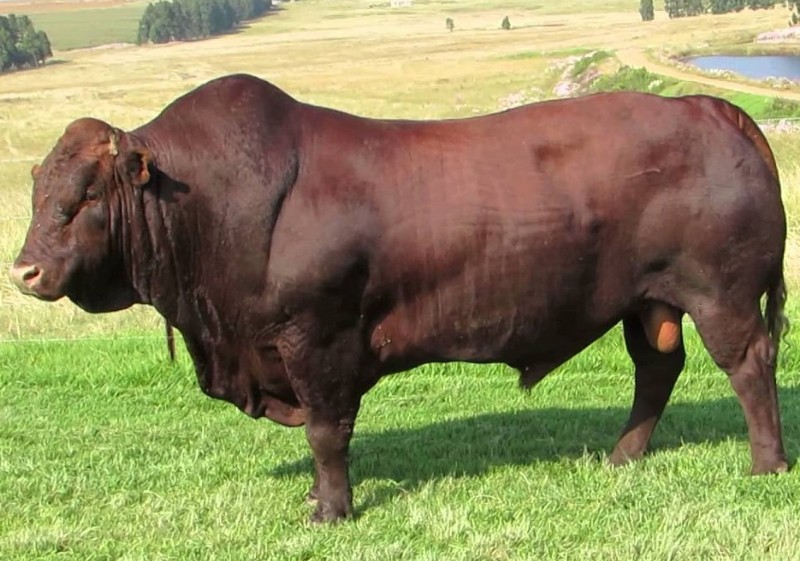
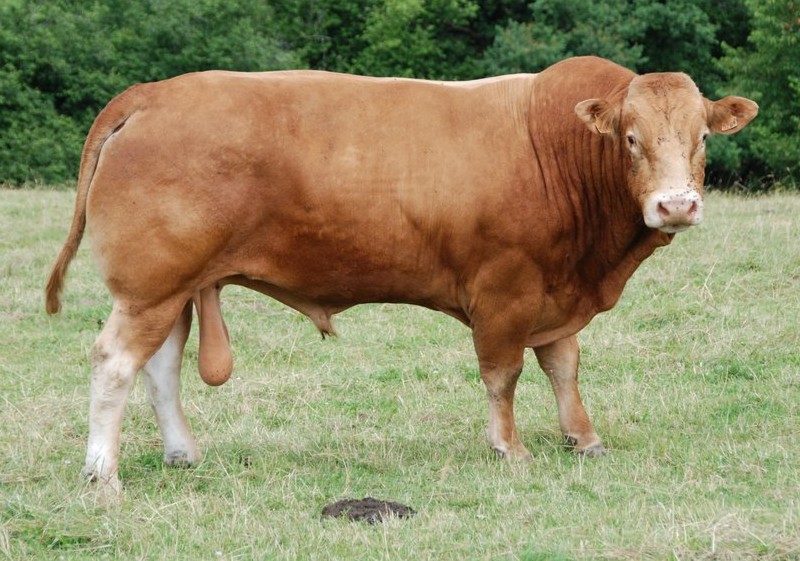
The Bonsmara originates from South Africa, it has been scientifically bred and strictly selected for economical production in extensive cattle grazing in sub-tropical climates.
In 1937 it was generally noted that British breeds did not have the required heat tolerance for the sub tropics and that the Afrikaner did not perform as well in terms of calving regularity. Professor Jan Bonsma decided to test different breed combinations at the Messina Livestock Research Station.
Characteristics
The Bonsmara is red in colour with a blend of Bos indicus and Bos taurus attributes. They are horned but must be de-horned to conform with breed standards.Body conformation and traits have all been selected for to satisfy the commercial requirements of todays market.
Statistics
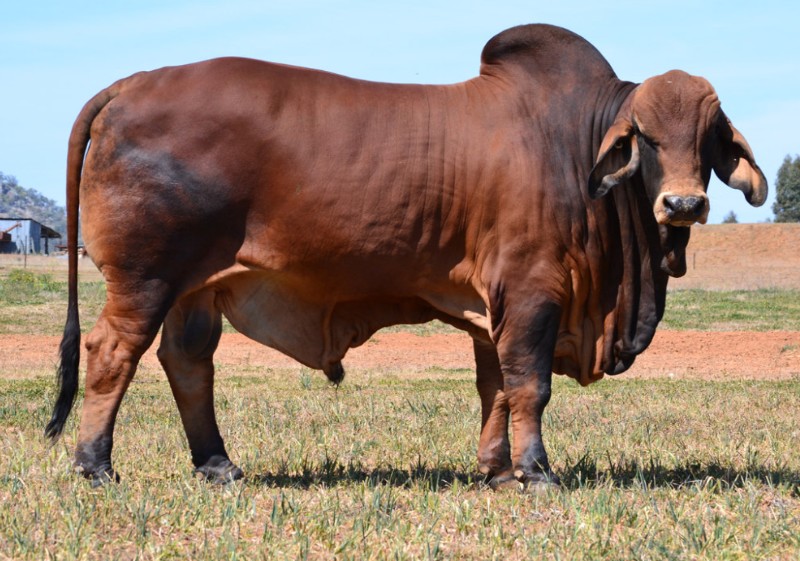
The Brahman or Brahma is a breed of Zebu cattle (Bos indicus) that was first bred in United States from cattle breeds imported from India. Brahma cattle were produced by cross-breeding the Kankrej cattle and Guzerat cattle, Ongole, Gir, Krishna Valley breeds of cattle.
Brahmans are intermediate in size among beef breeds found in the United States. Bulls will generally weigh from 1600 to 2200 pounds and cows from 1000 to 1400 pounds in average condition. The calves are small at birth, weighing 60 to 65 pounds, but grow very rapidly and wean at weights comparable to other breeds.
The disposition of Brahman cattle is often questioned. Brahmans are intelligent, inquisitive and shy. They are unusually thrifty, hardy and adaptable to a wide range of feed and climate. However, these characteristics also suggest careful, kind handling methods. Brahmans like affection and can become very docile. They quickly respond to handling they receive, good or bad. Well bred, wisely selected and properly treated Brahmans are as easily handled as other breeds.
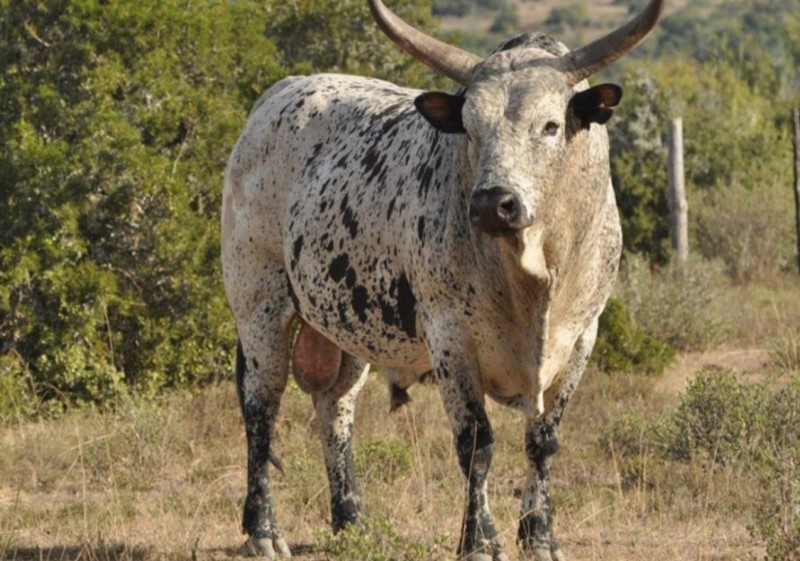
The Nguni cattle breed is special to southern Africa. A hybrid of different Indian and later European cattle breeds, they were introduced by Bantu-speaking tribes to southern Africa during their migration from the north of the continent. The cattle breed is medium-sized and adapted to grazing on the highveld.
All the Nguni Cattle graze in the veld, without major supplements. In winter the cattle are supplied with a salt lick and calcium. They hardly ever become sick, meaning that in the last 26 years, they have never been dipped, dosed or vaccinated for anything else but Brucellosis!
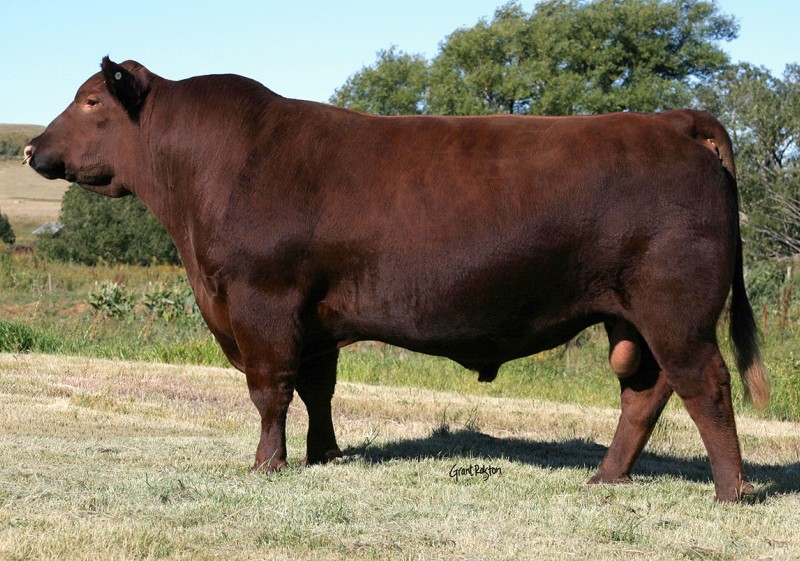
The Aberdeen Angus breed (or Angus as it is known internationally) was developed in the early part of the 19th Century from the polled and predominantly black cattle of North east Scotland known locally as "doddies" and "hummlies". As with other breeds of cattle and sheep in Britain, establishment followed improvements in husbandry and transport. The earliest families trace back to the middle of the eighteenth century but it was much later that the Herd Book (1862) and the Society (1879) were founded. The early history of the breed is the history of its breeders, progressive lairds and farmers, of whom three were outstanding.
Hugh Watson became tenant of Keillor in Angus in 1808. He gathered stock widely and produced cattle of outstanding quality and character. Hugh Watson could be considered the founder of the breed, and was instrumental in selecting the best black, polled animals for his herd. His favorite bull was Old Jock, who was born 1842 and sired by Grey-Breasted Jock.
The history of Limousin cattle may be as old as the European continent itself. Cattle found in cave drawings estimated to be 20,000 years old in the Lascaux Caves near Montignac, France have a striking resemblance to today's Limousin. Limousin originated in the West of the Massif Central between Central and South West France, a rather rainy region with harsh climatic conditions and poor granite soil. Consequently, the growing of field crops was very difficult at best and emphasis was placed on animal agriculture.